


If you’re serious about ClickFunnels SEO optimization, adding structured data is no longer optional, it’s essential. Search engines don’t just read your content; they interpret it. That’s where the Dynamic JSON-LD schema in ClickFunnels becomes powerful.
Instead of manually adding a static schema to each page, a dynamic schema allows you to automatically generate structured data based on your funnel content, saving time while improving accuracy and scalability.
In this guide, you’ll learn:
- What ClickFunnels JSON-LD schema is and why it matters
- How the dynamic schema works for funnel pages
- A complete JSON-LD implementation in ClickFunnels
- Tools, validation methods, and best practices
What Is Dynamic JSON-LD Schema?
JSON-LD (JavaScript Object Notation for Linked Data) is Google’s recommended format for structured data because it’s lightweight, easy to implement, and doesn’t interfere with your page design. It helps search engines clearly understand what your content represents, whether it’s a product, FAQ, service, or landing page, so they can display it more effectively in search results.
Dynamic JSON-LD schema takes this a step further by making your structured data flexible and automatically updated.
Instead of hardcoding fixed values like:
"name": "Product A"
Dynamic schema uses variables or real-time data:
"name": "{{product_name}}"
This means your schema updates automatically whenever your page content changes. It’s especially useful for schema markup for sales funnels, where elements like product names, pricing, testimonials, or FAQs frequently change across different funnel steps.
In short, a dynamic schema ensures your structured data always stays accurate, scalable, and aligned with your live content.
Why Dynamic JSON-LD Schema in ClickFunnels Matters
ClickFunnels pages are conversion-focused, but often lack built-in structured data support. That means you’re missing out on:
- Enhanced ClickFunnels rich snippets
- Better crawlability and indexing
- Higher CTR from SERPs
- Improved eligibility for Google features like FAQs and product listings
According to Google’s structured data guidelines, properly implemented schema can significantly improve how your pages appear in search results.
Dynamic schema ensures:
- Scalability across multiple funnel steps
- Consistency in structured data
- Reduced manual errors
Best Schema Types for ClickFunnels Websites
Choosing the right schema is critical for effective ClickFunnels schema markup implementation.
Commonly Used Schema Types
| Funnel Type | Recommended Schema Type |
|---|---|
| Landing Page | WebPage, Organization |
| Product Funnel | Product, Offer |
| Webinar Funnel | Event |
| Service Funnel | Service |
| FAQ Sections | FAQPage |
| Blog Content | Article |
Using the right schema improves your chances of getting rich results for ClickFunnels pages.
How Dynamic Schema Works in ClickFunnels
ClickFunnels doesn’t natively support dynamic structured data, which means you need to implement it manually or through external solutions. The good news is that once set up correctly, it can work seamlessly across all your funnel pages.
You can implement dynamic schema markup for ClickFunnels using:
- Custom JavaScript (to pull real-time data from the page)
- Third-party tools (for automation and scalability)
- Template-based schema injection (for reusable funnel structures)
Here’s how the process works behind the scenes:
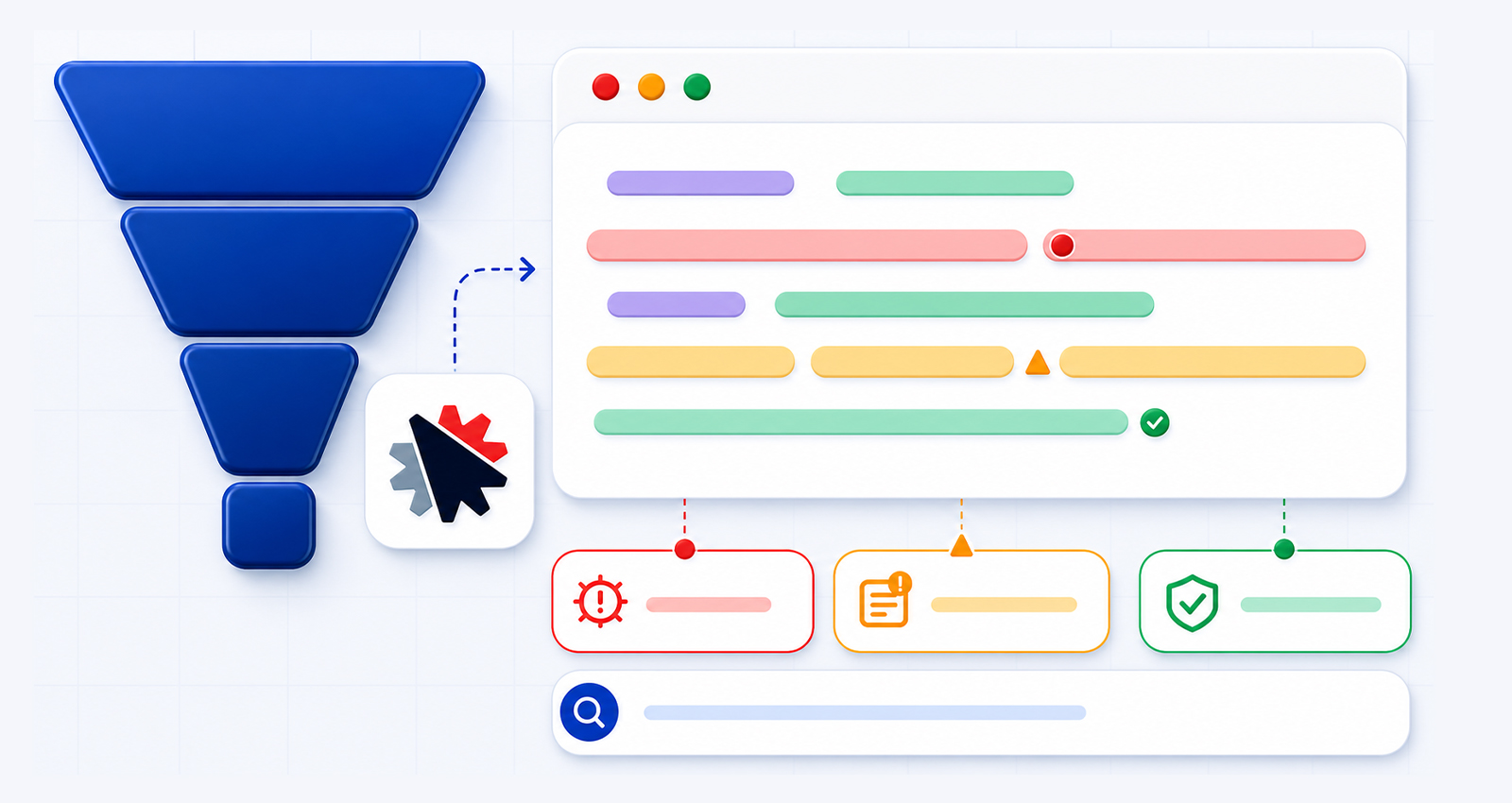
First, the system extracts key data from your page, such as the headline, product name, price, FAQs, or descriptions. This data is usually pulled directly from the page’s HTML elements.
Next, that information is mapped into a structured JSON-LD format that follows schema.org guidelines. This ensures search engines can interpret the data correctly.
Finally, the schema is dynamically injected into the page using a script, typically placed in the header or tracking code section of ClickFunnels.
This approach allows you to add structured data to ClickFunnels pages without manually updating the schema every time your funnel content changes.
Step-by-Step: How to Add Dynamic JSON-LD Schema in ClickFunnels
Step 1: Identify the Page Type
Start by defining what your page represents:
- Product page?
- Lead generation funnel?
- Webinar registration?
This determines your ClickFunnels structured data type.
Step 2: Generate JSON-LD Schema
Use a schema markup generator or the ClickFunnels Schema Markup tool to create your base code.
Example (Product Schema):
{
"@context": "https://schema.org",
"@type": "Product",
"name": "{{product_name}}",
"image": "{{product_image}}",
"description": "{{product_description}}",
"offers": {
"@type": "Offer",
"price": "{{product_price}}",
"priceCurrency": "USD",
"availability": "https://schema.org/InStock"
}
}
You can also use tools like:
- Insert link to related blog about the best schema markup generator
- Insert link to JSON-LD schema generator tools
Step 3: Add Dynamic Variables
Replace static values with dynamic placeholders. Depending on your setup, these can come from:
- Funnel inputs
- Custom scripts
- External integrations
This is the core of dynamic schema markup for ClickFunnels.
Step 4: Inject Schema into ClickFunnels
Go to:
- Page Editor → Settings → Tracking Code
Paste your JSON-LD script inside <script type=”application/ld+json”>
Example:
<script type="application/ld+json">
{ your dynamic JSON-LD code }
</script>
This step completes your ClickFunnels JSON-LD implementation guide.
Step 5: Automate with JavaScript
To make the schema truly dynamic, use JavaScript to pull values from the DOM:
const productName = document.querySelector('.product-title').innerText;
const schema = {
"@context": "https://schema.org",
"@type": "Product",
"name": productName
};
document.head.insertAdjacentHTML(
'beforeend',
`<script type="application/ld+json">${JSON.stringify(schema)}</script>`
);
This approach ensures your schema updates automatically.
Step 6: Validate Your Schema
Before going live, always test your markup using a json ld schema validator or schema markup validator.
Recommended tools:
Validation helps avoid errors that can prevent rich results.
Common Mistakes to Avoid
Even when implementing ClickFunnels schema markup, small errors can prevent your structured data from working properly or qualifying for rich results. Here are the most common mistakes:
Using the wrong schema type
Applying an incorrect schema (e.g., Article instead of Product or Service) confuses search engines and reduces your chances of visibility.
-
Missing required properties
Leaving out essential fields like price, availability, or FAQ answers can make your schema incomplete and ineligible for rich results.
Adding duplicate schema markup
Multiple schema scripts from plugins, tools, or manual code can conflict with each other and cause errors.
Not updating dynamic fields
If your schema doesn’t reflect real-time changes (like price or product details), it can become outdated and misleading.
Skipping schema validation
Without testing your markup using a json ld schema validator or schema markup validator , errors may go unnoticed and affect performance.
Mismatch between schema and content
If your structured data doesn’t accurately represent the visible page content, search engines may ignore it.
Avoiding these mistakes ensures your ClickFunnels schema markup implementation stays accurate, consistent, and optimized for search engines.
How to Get Rich Snippets for ClickFunnels Pages
Earning ClickFunnels rich snippets ClickFunnels rich snippets requires more than just adding schema, it’s about combining structured data with strong SEO practices. Here’s how to improve your chances:
Match schema with actual content
Ensure your structured data reflects exactly what’s visible on the page to maintain trust and eligibility.
-
Use the right schema types
- FAQ schema for informational funnels (to target People Also Ask)
- Product and Offer schema for sales funnels (to display pricing and availability)
-
Keep your schema clean and error-free
Validate your markup regularly to eliminate warnings or issues that could block rich results.
Optimize overall page quality
Strong content, fast loading speed, and a good user experience increase the likelihood of enhanced search features.
-
Add structured data strategically
Focus on high-impact pages like landing pages, product funnels, and key conversion steps.
-
Combine schema with SEO fundamentals
Schema works best when paired with keyword optimization, internal linking, and high-quality content.
While schema markup doesn’t guarantee rich snippets, following these best practices significantly improves your chances of appearing in enhanced search results.
Advanced Tips for Better Results
To get the most out of ClickFunnels structured data, you need to go beyond basic implementation.
Combine Multiple Schema Types
Instead of using a single schema type, you can layer multiple schemas on one page. For example, combining Product and FAQ schema allows your page to target both transactional and informational queries. Similarly, an Article with a Breadcrumb schema improves both visibility and navigation signals.
Keep Schema Updated
A Dynamic schema should always reflect real-time content. If your product price changes, availability updates, or FAQs are modified, your schema should update instantly. Outdated structured data can harm trust and reduce eligibility for rich results.
Use Automation Tools
A reliable ClickFunnels Schema Markup tool can simplify the entire process. These tools automatically generate schema, eliminate manual coding errors, and help you scale structured data across multiple funnels efficiently.
When used correctly, these strategies can significantly improve your ClickFunnels SEO optimization and search visibility.
Conclusion
Implementing Dynamic JSON-LD schema in ClickFunnels is one of the most impactful technical SEO upgrades you can make. It transforms your funnel pages from simple HTML into structured, machine-readable assets that search engines can fully understand.
By using dynamic schema, validating your markup, and aligning it with your funnel goals, you not only improve visibility but also create a scalable SEO system that grows with your business.
If your goal is to get more clicks, better rankings, and enhanced search presence, structured data isn’t optional anymore, it’s foundational.
FAQs
Q1: What is the best way to add schema in ClickFunnels?
The most effective way to use dynamic JSON-LD is with custom scripts or automation tools to ensure scalability and accuracy.
Q2: Does ClickFunnels support structured data natively?
No, you need to manually add structured data to ClickFunnels pages using tracking scripts or third-party tools.
Q3: Can I use multiple schema types on one funnel page?
Yes, combining schema types like Product and FAQ can improve visibility and rich result eligibility.
Q4: How do I validate my ClickFunnels JSON-LD schema?
Use tools like Google Rich Results Test or any schema markup validator to check for errors.
Q5: What schema type is best for sales funnels?
Product, Offer, and FAQ schema are most effective for schema markup for sales funnels.
Q6: Is a dynamic schema better than a static schema?
Yes, dynamic schema updates are automatically, making it ideal for scaling funnels and maintaining accuracy.
Q7: Can schema markup improve ClickFunnels SEO?
Yes, ClickFunnels SEO optimization improves with structured data by enhancing search appearance and CTR.
Q8: Do I need coding knowledge to implement JSON-LD?
Basic understanding helps, but you can use a schema markup generator or automation tool to simplify the process.






 Wix Schema
 Squarespace Schema
 BigCommerce Schema
 Shopify Schema
 Hubspot Schema
 Webflow Schema
 GoHighlevel Schema
 Duda Schema
 Weebly Schema