

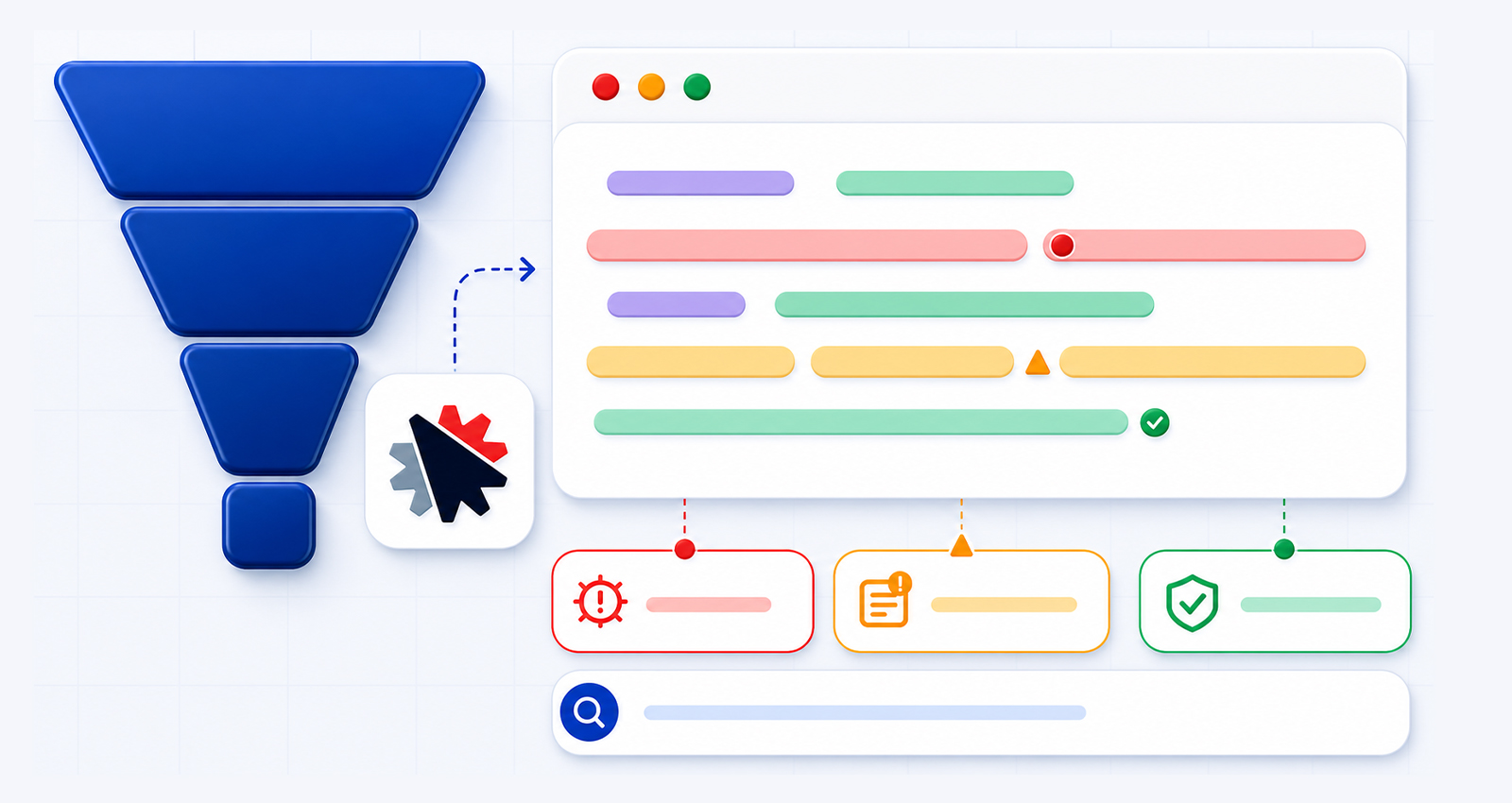
Understanding the Top schema types for ClickFunnels pages is no longer optional if you want stronger visibility in search results. In today’s SEO landscape, structured data plays a critical role in helping search engines interpret your funnel pages more accurately and display enhanced results like rich snippets.
When implemented correctly, ClickFunnels schema markup improves how your landing pages, sales pages, webinars, and lead funnels appear in Google. This directly supports better click-through rates, stronger trust signals, and improved ClickFunnels SEO performance.
In this guide, we’ll break down the most effective schema types, how they work in real ClickFunnels environments, and how you can implement them using JSON-LD.
Why Schema Markup Matters for ClickFunnels SEO Optimization
Before exploring the best schema types for ClickFunnels funnels, it’s important to understand why schema matters in the first place.
Schema markup is a structured data vocabulary supported by Schema.org and recommended by Google in its structured data guidelines. It helps search engines understand:
- What your funnel page is about
- What type of business or offer are you presenting
- Whether your content qualifies for rich results
For ClickFunnels users, this means your funnel pages are no longer “just HTML pages.” With properly ClickFunnels structured data, they become context-rich assets that search engines can interpret with higher accuracy.
Google officially supports structured data for enhanced search appearance (when eligible), as documented in its Search Central guidelines.
Top Schema Types for ClickFunnels Pages (Complete Breakdown)
Let’s explore the top schema types for ClickFunnels pages that consistently deliver strong SEO and SERP performance.
1. WebPage Schema for Funnel Structure Clarity
WebPage schema is one of the foundational schema types for sales funnels. It helps define the page type, whether it’s a landing page, checkout page, or thank-you page.
Example JSON-LD:
{
"@context": "https://schema.org",
"@type": "WebPage",
"name": "High-Converting Sales Funnel",
"description": "Landing page optimized with ClickFunnels schema markup for better visibility and conversions."
}
Using WebPage schema strengthens ClickFunnels structured data by giving Google clear context about page hierarchy and purpose.
2. Product Schema for Sales Pages and Offers
If your ClickFunnels page is selling a product or service, a Product schema is essential.
It is one of the best schema types for ClickFunnels websites because it directly supports rich results like pricing, availability, and ratings (when eligible).
Example JSON-LD:
{
"@context": "https://schema.org/",
"@type": "Product",
"name": "SEO Funnel Masterclass",
"description": "A complete training program on ClickFunnels SEO optimization.",
"brand": {
"@type": "Brand",
"name": "Growth Academy"
},
"offers": {
"@type": "Offer",
"price": "99.00",
"priceCurrency": "USD",
"availability": "https://schema.org/InStock"
}
}
This is a core part of any ClickFunnels schema markup implementation for eCommerce or digital products.
3. FAQ Schema for Higher SERP Visibility
The FAQ schema is one of the easiest ways to improve how to get rich snippets for ClickFunnels pages.
When implemented correctly, it can enhance your listings with expandable Q&A sections directly in search results.
Example JSON-LD:
{
"@context": "https://schema.org",
"@type": "FAQPage",
"mainEntity": [
{
"@type": "Question",
"name": "What is ClickFunnels schema markup?",
"acceptedAnswer": {
"@type": "Answer",
"text": "It is structured data added to ClickFunnels pages to help search engines understand content better."
}
}
]
}
The FAQ schema is extremely powerful for ClickFunnels SEO optimization because it targets informational search intent directly.
4. Organization Schema for Brand Authority
Organization schema builds trust and helps search engines connect your funnel pages with your brand identity.
It is a key part of ClickFunnels structured data strategy, especially for businesses running multiple funnels.
Example JSON-LD:
{
"@context": "https://schema.org",
"@type": "Organization",
"name": "Growth Academy",
"url": "https://example.com",
"logo": "https://example.com/logo.png"
}
This strengthens entity recognition, which is crucial for long-term SEO authority.
5. Service Schema for Funnel-Based Offers
If your funnel promotes services instead of products, the Service schema is the right choice.
It clearly defines what you offer and improves relevance for local and niche searches.
Example JSON-LD:
{
"@context": "https://schema.org",
"@type": "Service",
"serviceType": "SEO Funnel Optimization",
"provider": {
"@type": "Organization",
"name": "Growth Academy"
}
}
This is widely used in ClickFunnels schema markup implementation for agencies and consultants.
6. Breadcrumb Schema for Funnel Navigation
Breadcrumb schema improves internal linking clarity and helps search engines understand funnel hierarchy.
It enhances UX and contributes to better crawlability across ClickFunnels schema markup structures.
How to Implement JSON-LD in ClickFunnels
Most ClickFunnels users implement structured data using one of the following methods:
- Adding JSON-LD in page header settings
- Using a ClickFunnels Schema Markup tool
- Integrating third-party schema apps
- Manual script insertion inside funnel pages
Basic JSON-LD Placement Example:
<script type="application/ld+json">
  // Your schema code here
</script>
For validation, you should always use a json ld schema validator like Google’s Rich Results Test.
And for generations, a schema markup generator can help speed up implementation while reducing errors.
Best Practices for ClickFunnels Schema Markup
To ensure effective ClickFunnels schema markup implementation, follow these key practices to improve accuracy, consistency, and SEO performance.
Avoid duplicate schema across funnel steps
Keep each page’s structured data unique to its purpose to prevent confusion for search engines.
Match schema with page intent
Use Product schema for sales pages, FAQ schema for informational content, and WebPage schema for general landing pages.
Validate JSON-LD before publishing
Always test using a json ld schema validator or Google’s Rich Results Test to ensure error-free markup.
Keep the schema clean and relevant
Use only essential properties and avoid unnecessary complexity in your ClickFunnels structured data.
Update schema after funnel changes
Any edits to content or structure should be followed by schema review and re-validation.
Following these practices strengthens ClickFunnels SEO optimization and improves your chances of earning rich results.
Common Mistakes to Avoid in ClickFunnels Structured Data
Avoid these common errors to keep your ClickFunnels schema markup accurate and effective:
Using the wrong schema type
Don’t apply Product schema to non-sales pages, always match schema with page intent.
Adding conflicting or excessive schema
Too many unrelated schema types can confuse search engines and weaken ClickFunnels structured data signals.
Missing required JSON-LD properties
Incomplete markup may not qualify for rich results, reducing visibility.
Skipping validation
Always test with a schema markup validator to catch errors before publishing.
Copy-pasting without customization
A generic schema without page-specific details can lead to inaccurate indexing.
Avoiding these mistakes ensures cleaner implementation and better results from your ClickFunnels SEO optimization efforts.
Conclusion
Using the Top schema types for ClickFunnels pages strategically can significantly improve how search engines interpret and display your funnel pages. When combined with proper ClickFunnels schema markup, validated JSON-LD, and structured implementation practices, it becomes a powerful lever for ClickFunnels SEO optimization and higher SERP visibility.
The key is not just adding schema, but applying the right schema types for the right funnel stages with precision and consistency.
FAQs
Q1: What are the top schema types for ClickFunnels pages?
The top schema types for ClickFunnels pages include WebPage, Product, FAQ, Organization, Service, and Breadcrumb schema. Each serves a specific purpose, Product for sales pages, FAQ for informational sections, and Organization for brand identity, ensuring better search engine understanding.
Q2: How does ClickFunnels schema markup improve SEO?
ClickFunnels schema markup improves SEO by helping search engines interpret your funnel content more accurately. This increases your chances of earning rich snippets, enhances visibility in SERPs, and can improve click-through rates.
Q3: Can I add JSON-LD to ClickFunnels pages?
Yes, you can add JSON-LD for ClickFunnels by inserting scripts into the page header or using a ClickFunnels schema markup tool. This method is fully supported and recommended for structured data implementation.
Q4: What is the best schema type for sales funnels?
The best schema types for ClickFunnels funnels are typically Product schema for sales pages and FAQ schema for supporting content. These directly align with user intent and help improve conversions and search visibility.
Q5: How to get rich snippets for ClickFunnels pages?
To get rich snippets, add relevant structured data like FAQPage or Product schema, ensure all required fields are included, and validate your markup using a schema markup validator such as Google’s Rich Results Test.
Q6: Is there a ClickFunnels schema markup tool?
Yes, a ClickFunnels Schema Markup tool can automate the creation and implementation of structured data. These tools reduce manual errors and make it easier to deploy an optimized schema across funnel pages.
Q7: Do I need a schema markup validator?
Yes, using a schema markup validator is essential to check for errors, missing fields, and compliance with search engine guidelines. Proper validation ensures your markup is eligible for rich results.
Q8: What is JSON-LD for ClickFunnels?
JSON-LD for ClickFunnels is a lightweight format used to add structured data to your pages. It allows search engines to easily read and process your schema markup without affecting page design or performance.




 Wix Schema
 Squarespace Schema
 BigCommerce Schema
 Shopify Schema
 Hubspot Schema
 Webflow Schema
 GoHighlevel Schema
 Duda Schema
 Weebly Schema