

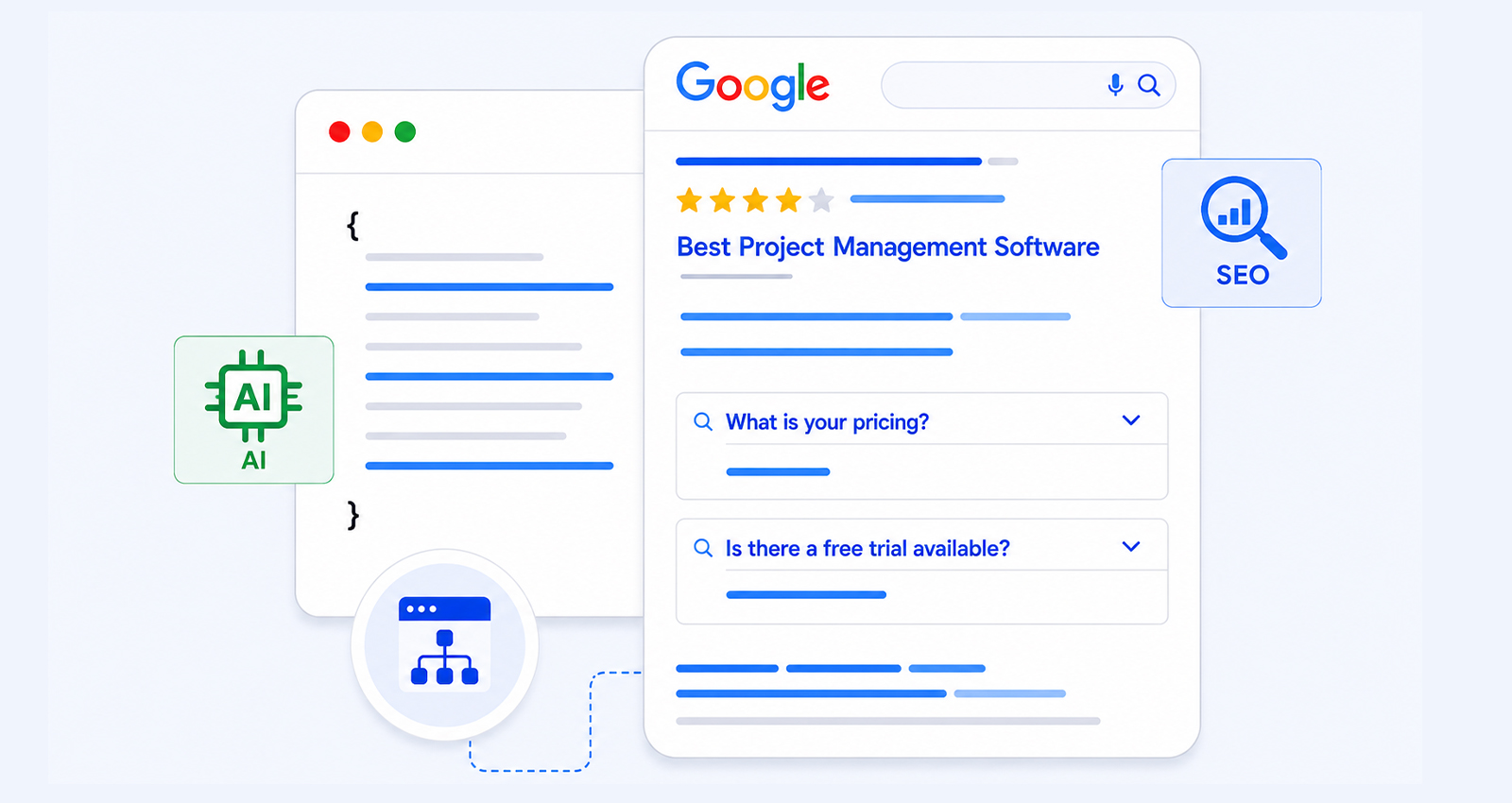
If you’re running a SaaS product, you already know how competitive search results are. But here’s what most founders and marketers miss: ranking on page one is only half the battle. The other half is whether search engines and AI systems understand what your product actually does.
That’s exactly what SaaS schema markup solves. Schema markup is structured data, written in JSON-LD format, that you embed in your page’s HTML. It doesn’t change what users see; it changes what machines read. According to Rankeo, only 30% of SaaS websites have comprehensive schema markup, yet those that do see 35% more rich results in SERPs.
Schema markup gives machines structured context about your software product, instead of guessing what your SaaS platform does. According to the official Schema.org documentation, the SoftwareApplication type is specifically designed for software and SaaS products. It supports properties like application category, operating system, feature list, pricing, screenshots, and offers.
Quick Overview: How to Add SaaS Schema Markup
- Use the SoftwareApplication schema to clearly define your software, category, and purpose.
- Add an Organization schema to connect your product with your company, brand, and online presence.
- Mark up pricing information with the Offer schema so machines can understand your plans and pricing structure.
- Use the FAQPage schema to provide structured answers to common product questions.
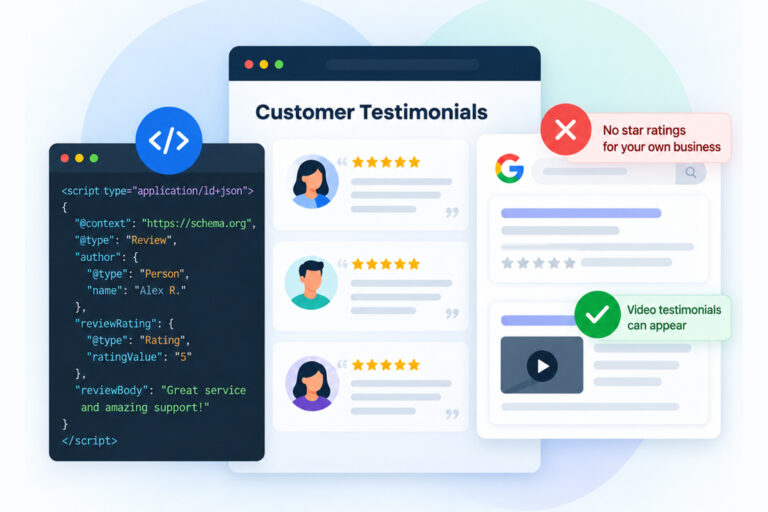
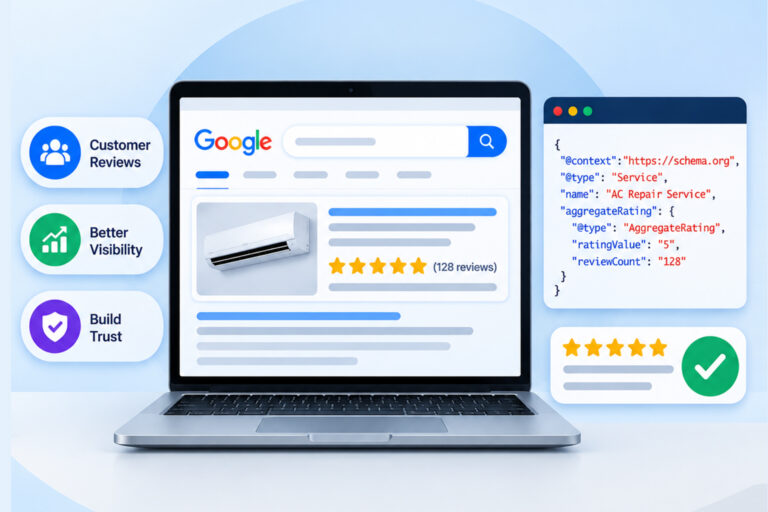
- Include Review and AggregateRating schema where applicable to strengthen trust and credibility signals.
- Validate all structured data before publishing to ensure search engines and AI systems can read it correctly.
The more accurately your SaaS website describes products, pricing, features, and business information through structured data, the easier it becomes for search engines and AI platforms to understand and reference your content.
What Is SaaS Schema Markup and Why Does It Matter?
SaaS schema markup is structured data that helps search engines and AI systems understand your software product more accurately. While there isn’t a dedicated “SaaS” schema type, most software companies use schema types such as SoftwareApplication, Organization, Product, and FAQPage to describe their products, pricing, features, and business details.
Without structured data, search engines must infer what your product does from page content alone. Schema removes that guesswork by providing machine-readable information about your software, making it easier for search engines and AI platforms to understand and categorize your business.
This matters because a better understanding can improve eligibility for rich results, strengthen entity recognition, and help AI systems interpret your product information more accurately. As AI-powered search continues to grow, structured data is becoming an increasingly important part of SaaS SEO and content discoverability.
The Core Schema Types Every SaaS Website Needs
Not all schema types are created equal for software companies. Here’s what actually moves the needle:
Software Application
It is the non-negotiable starting point. It’s the schema type built specifically for web-based software. It lets you declare your app’s name, category, pricing, rating, operating system compatibility, and install URL, all in a way Google and AI systems can more easily parse and understand. If you only implement one schema type, make it this one.
Organization schema
This schema strengthens your brand entity. It connects your company name, logo, social profiles, and contact details into a unified knowledge graph node. This is critical for AI systems that cross-reference brand signals before citing a source.
Product + Offer
Schema is essential for pricing pages. When you mark up your pricing tiers with PriceSpecification, search engines may be able to better understand your pricing information and eligibility for certain search enhancements.
FAQPage
Faq page schema, while no longer generating rich results on Google as of May 2026, still provides structured question-and-answer signals that AI crawlers (Perplexity, Bingbot, voice assistants) actively use when building responses. Keep implementing it.
Review / AggregateRating Schema
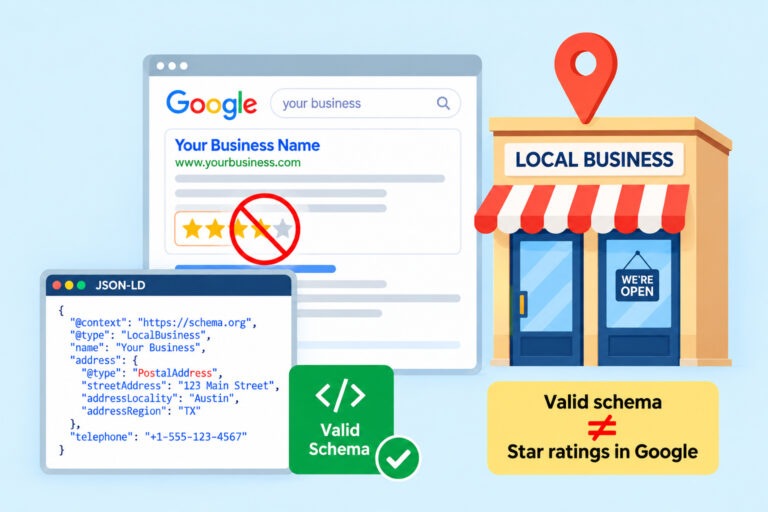
It builds immediate credibility. Displaying star ratings in your search listing directly influences click decisions, and it’s one of the most underused schema types in B2B SaaS.
How to Implement SaaS Schema Markup: Step-by-Step
Adding SaaS schema markup becomes much easier when you break the process into clear implementation steps, from choosing the right schema type to validating your JSON-LD code for accurate SEO and AI understanding.
Step 1: Write Your JSON-LD
Google recommends JSON-LD over Microdata and RDFa because it sits in a clean <script> tag and doesn’t require you to touch your HTML structure. Here’s a production-ready SoftwareApplication example:
<script type="application/ld+json">
{
"@context": "https://schema.org",
"@type": "SoftwareApplication",
"name": "YourSaaS",
"operatingSystem": "Web browser",
"applicationCategory": "BusinessApplication",
"description": "A cloud-based tool for [your use case].",
"softwareVersion": "2.1",
"offers": {
"@type": "Offer",
"price": "49.00",
"priceCurrency": "USD"
},
"aggregateRating": {
"@type": "AggregateRating",
"ratingValue": "4.8",
"ratingCount": "1200",
"bestRating": "5"
},
"author": {
"@type": "Organization",
"name": "Your Company Name"
},
"url": "https://yoursite.com/signup"
}
</script>
Place this in the <head> section of your product or homepage. If you’re on WordPress, a plugin like RankMath can inject it via a template. On Next.js or a headless CMS, use a reusable component that pulls pricing from your data source dynamically, because hardcoded prices go stale fast.
Step 2: Map Schema Types to the Right Pages
A common mistake is applying one schema type everywhere. Here’s the right mapping:
| Page | Schema Type |
|---|---|
| Product / Homepage | SoftwareApplication + Organization |
| Pricing Page | Product + Offer + PriceSpecification |
| Feature Pages | SoftwareApplication + FAQPage |
| Blog Posts | Article + BreadcrumbList |
| Reviews / Testimonials | AggregateRating + Review |
Step 3: Validate Before You Publish
A broken schema is worse than no schema; it can trigger Google Search Console errors and suppress your rich results eligibility. Use a JSON-LD schema validator to catch syntax issues before deployment. Google’s Rich Results Test shows you exactly which rich result types your page qualifies for. You can also use a schema markup validator at Schema.org’s validator to check compliance beyond Google’s subset.
If you want to skip writing JSON-LD from scratch, a SaaS schema generator like JSON Schema App lets you build, preview, and export accurate structured data without touching code.
Best Practices for SaaS Structured Data
Many SaaS companies add minimal schema and stop there. However, stronger implementations often include deeper entity relationships.
Some practical recommendations include:
Keep Information Consistent
Your schema should match visible page content exactly. If your pricing page says $29/month, your structured data should not display outdated pricing.
Use Nested Schema
Connect your organization, product, reviews, and FAQs when relevant. This helps search engines understand relationships between entities.
Avoid Duplicate Schema
Many SaaS websites accidentally output multiple Organization or SoftwareApplication schemas from different plugins. This can confuse crawlers and reduce trust signals.
Update Schema Regularly
The schema should evolve with your product. When you add new pricing, features, integrations, or product categories, update your markup too.
How Schema Markup Helps AI Understand SaaS Products
This is the question we hear most often, and the honest answer is: yes, significantly, but the mechanism matters.
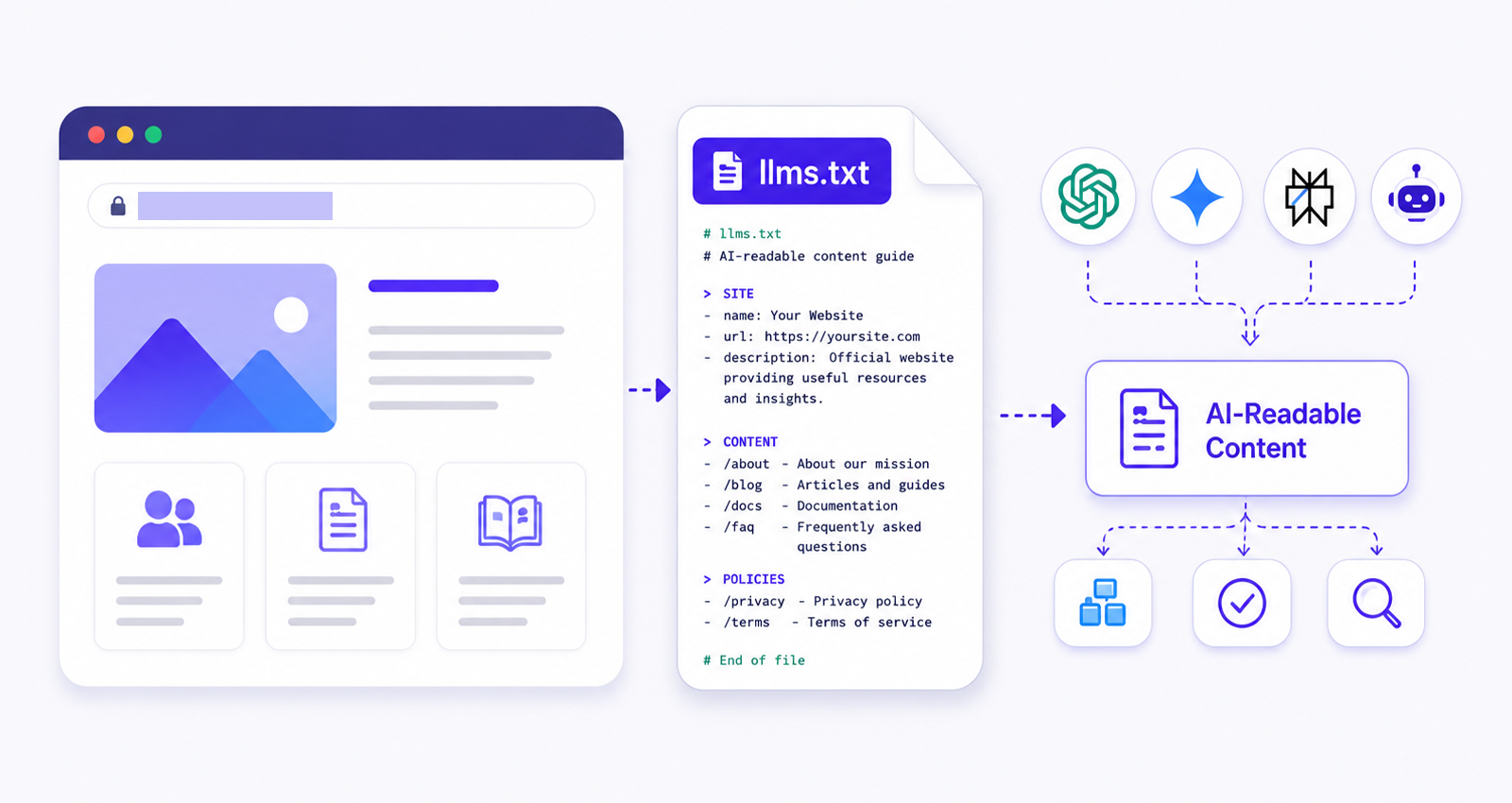
Schema markup doesn’t guarantee an AI citation. What it does is remove the friction that prevents AI systems from confidently extracting and citing your content. When ChatGPT or Perplexity crawls your product page, it’s doing entity extraction, trying to confirm your product’s name, category, pricing, and credibility signals. Structured data makes that extraction precise rather than inferred from loose prose.
The platform-level confirmation is now on record. Google’s Search team stated in April 2025 that structured data gives an advantage in search result , and Microsoft Bing’s Principal Product Manager Fabrice Canel confirmed in March 2025 that schema markup helps Microsoft’s LLMs understand content for Copilot.
Being cited in the AI answer is increasingly the only form of visibility that matters. SaaS schema markup for AI search optimization isn’t a future consideration, it’s a current competitive gap that fewer than one-third of SaaS sites are addressing.
How SaaS Schema Markup Improves SEO
Proper schema markup for SaaS SEO improves search visibility in several ways.
First, it helps search engines understand your product more accurately. Instead of relying only on page text, Google can directly identify your software type, features, pricing model, and brand.
Second, schema markup can support SaaS rich snippets, including:
- Ratings
- FAQs
- Product information
- Breadcrumbs
- Pricing details
These enhanced search results often improve click-through rates because they occupy more visual space in search.
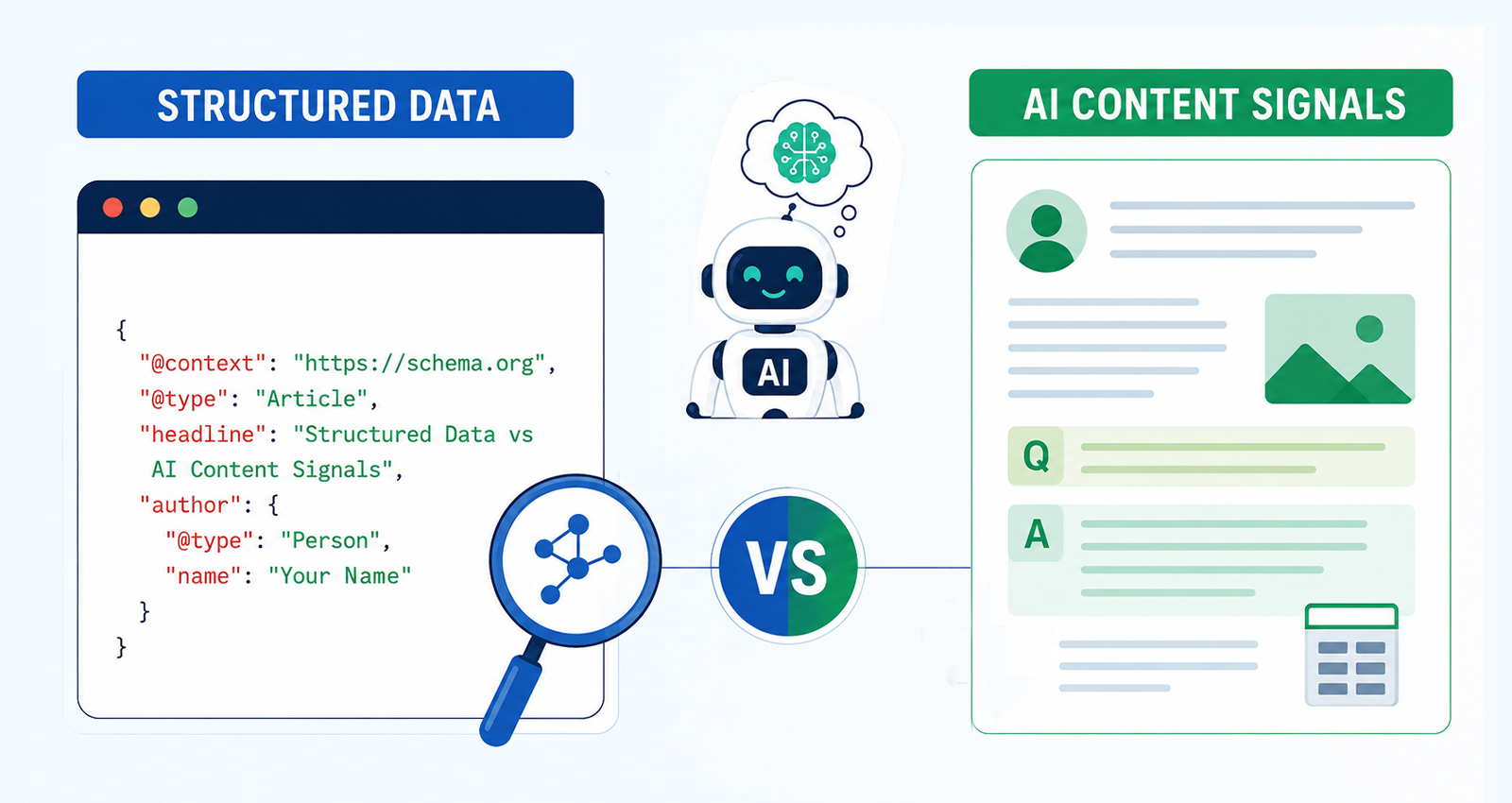
Third, schema improves entity understanding for AI systems. AI-powered search engines process structured relationships more effectively when data is organized consistently.
Industry discussions around AI search have increasingly highlighted structured data as a strong signal for machine understanding and entity recognition.
Common Mistakes to Avoid
The three most frequent implementation errors we see on SaaS sites:
Marking up invisible content
Google’s guidelines are clear, only mark up information that’s actually visible on the page. Hiding schema-only content is a manual action risk.
Outdated pricing in the Offer schema
Stale prices create a mismatch between your structured data and your page, which can suppress rich results. Automate pricing schema updates if your plans change frequently.
Skipping validation after deployment
A schema can break silently after a CMS update or a template change. Schedule quarterly audits using Google Search Console’s “Enhancements” report to catch errors early.
Conclusion
SaaS schema markup is no longer just an SEO enhancement, it is becoming essential for how search engines and AI systems understand software products online. Properly implemented structured data helps platforms like Google, ChatGPT, and Perplexity interpret your product, pricing, features, and brand more accurately.
Start with the SoftwareApplication schema on your main product pages, validate it carefully, and expand your structured data over time. As AI-powered search continues to grow, SaaS companies with accurate schema markup will have a stronger visibility advantage in both search results and AI-generated answers.
FAQs
Q1: What is SaaS schema markup?
SaaS schema markup is structured data added to software company websites to help search engines and AI systems understand software products more clearly.
Q2: What schema type is best for SaaS websites?
SoftwareApplication is usually the primary schema type for SaaS businesses because it is specifically designed for software products.
Q3: Does schema markup improve SEO?
Yes. Schema markup improves search understanding, supports rich snippets, and strengthens technical SEO signals.
Q4: What is the best format for SaaS schema?
JSON-LD is considered the best format because it is cleaner, easier to manage, and recommended by Google.
Q5: How do I add schema markup to my website?
You can add schema manually, through tag managers, CMS plugins, or using a schema markup generator.
Q6: Can schema markup help AI understand my website?
Yes. Structured data improves machine readability and helps AI systems identify entities, products, and relationships more accurately.
Q7: What is a SaaS schema validator?
A SaaS schema validator checks your structured data for syntax errors, missing fields, and invalid properties.
Q8: Can SaaS websites get rich snippets?
Yes. SaaS websites can qualify for FAQ, review, breadcrumb, and product-related rich snippets depending on implementation quality.




 Wix Schema
 Squarespace Schema
 BigCommerce Schema
 Shopify Schema
 Hubspot Schema
 Webflow Schema
 GoHighlevel Schema
 Duda Schema
 Weebly Schema